

Wander By Frame | Prochazka

Have you ever wondered why some photos have a warm, dreamy glow or a soft, ethereal blue hue? The secret lies in understanding natural light and its magical moments—Golden Hour, Magic Hour, and Blue Hour. These times of day can transform your photography, giving it an artistic edge straight from nature’s palette.

Whether you’re shooting landscapes, portraits, or adventure photography, paying attention to the sun’s position is key. Natural light shapes your image’s mood, depth, and color, so knowing when and where to shoot can make all the difference. This guide will break down these special hours and how you can use them to elevate your photography.

Table of Contents

Understanding Natural Light: The Sun’s Role in Photography

Several factors influence natural light, from atmospheric conditions to your location on Earth. The sky might not always look as you planned, but unexpected conditions can create breathtaking colors. Light behaves differently in northern Canada versus near the equator, so a little research before your shoot goes a long way.

Weather also plays a crucial role in natural light. A cloudy day diffuses sunlight, creating soft, even lighting—ideal for portraits. Meanwhile, a sunny day produces strong contrasts and vibrant colors, perfect for landscapes.

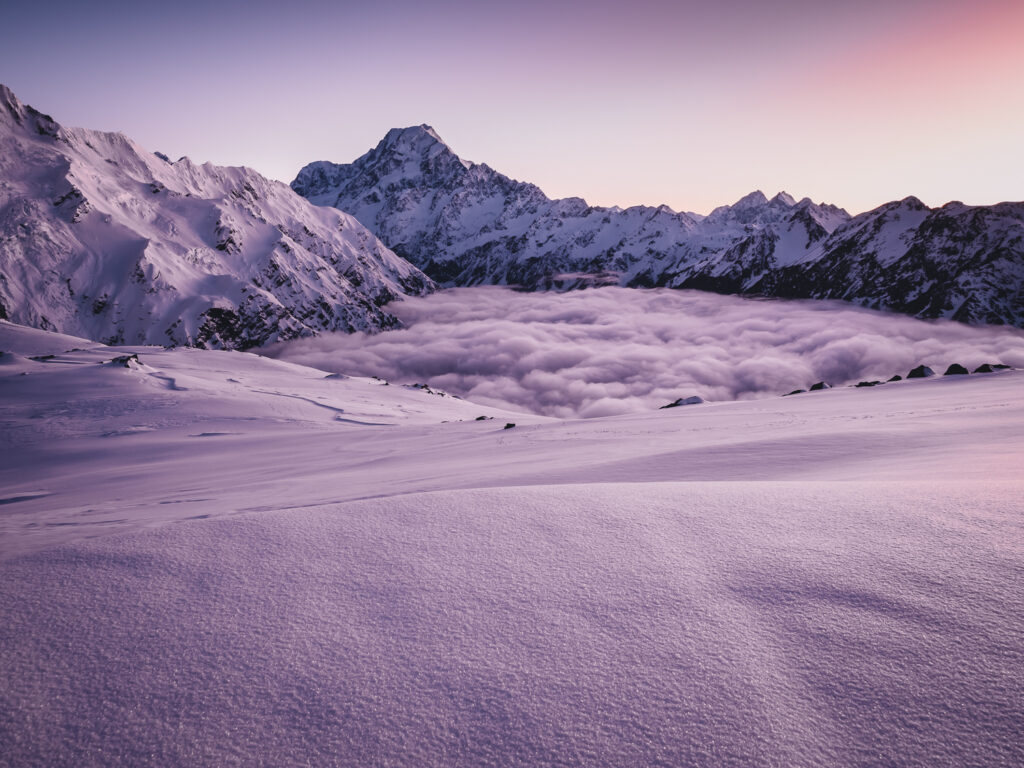
Magic of natural light before sunrise – Aoraki / Mount Cook, Mount Cook National Park, New Zealand

The Science Behind Natural Light

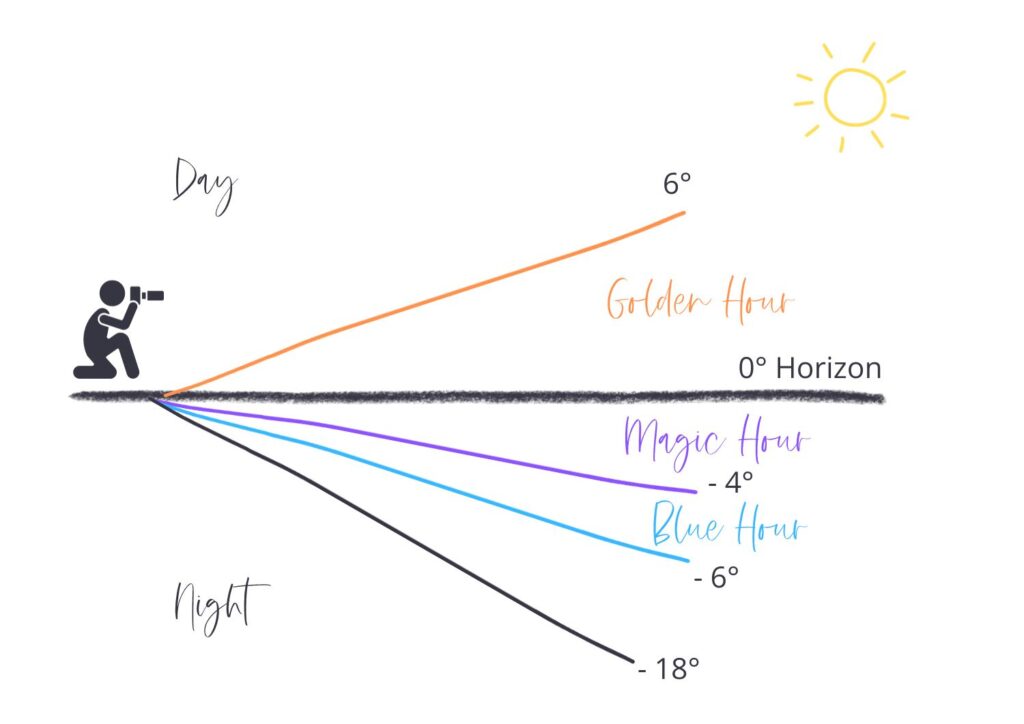
A bit of astronomy helps in understanding these light phases. The sun’s elevation dictates the type of natural light available:

  • Daylight – The sun is higher than 6° above the horizon.
  • Golden Hour – The sun’s elevation is between 6° and -4°.
  • Magic Hour – The sun’s elevation is between 0° and -4°.
  • Blue Hour – The sun’s elevation is between -4° and -6°.
  • Civil Twilight – The sun’s elevation is between 0° and -6°.
  • Night – The sun’s elevation is lower than -18°.

Sun’s elevation is important for Natural Light in Photography

These magical hours occur when the sun is low on the horizon, creating diffused light. Let’s explore how to use them to enhance your photography.

Golden Hour

Golden Hour happens twice daily—after sunrise and before sunset—and typically lasts around an hour, depending on your location. The sun is low in the sky, creating warm hues ranging from deep reds to golden yellows. This occurs because sunlight travels through more of Earth’s atmosphere, filtering out blue light and softening shadows.

Single subject in a landscape showing the Superhero Method

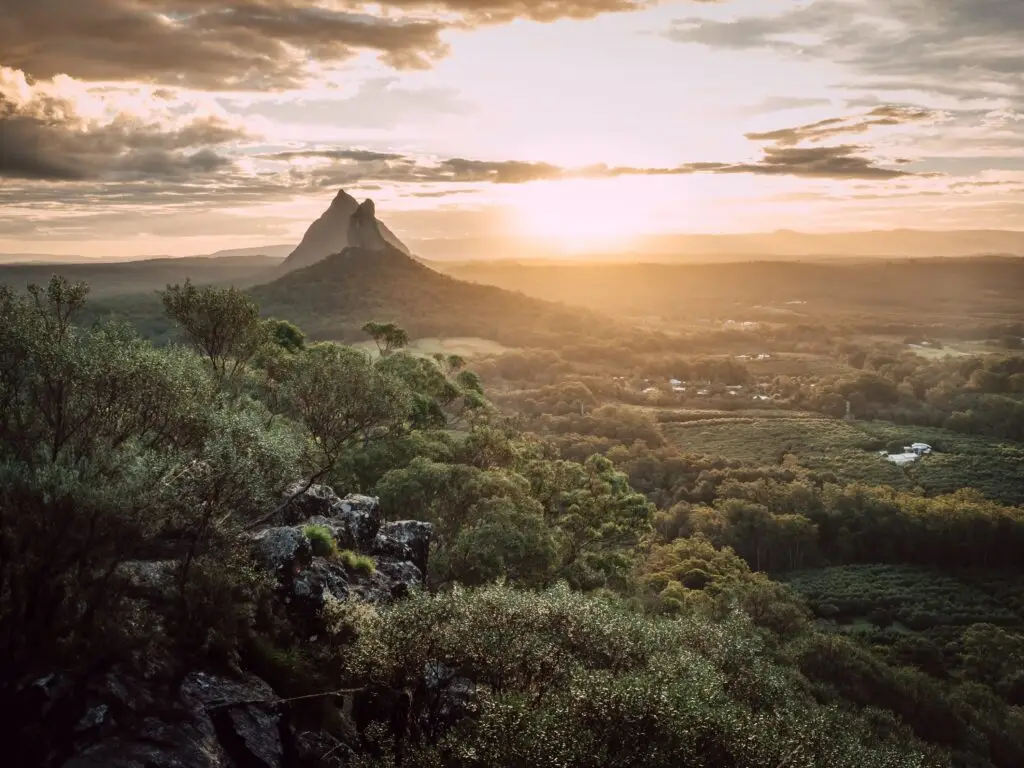
Golden Hour with Challenging Backlight Conditions – Mount Ngungun, Queensland, Australia

Why Golden Hour Is Special:

  • Soft, warm lighting with less contrast—ideal for landscapes and portraits
  • A color palette ranging from deep reds to golden yellows

Photo Tip: Pay attention to how shadows fall. The low-angle sunlight creates unique patterns that add depth and drama to your shots.

Magic Hour: The Hidden Gem of Natural Light

Magic Hour, my personal favorite, is an often-overlooked window of time that happens twice daily. In the morning, it occurs at the end of civil twilight before sunrise, and in the evening, it happens just after sunset, at the start of civil twilight.

This period brings cool blue tones with subtle pinks and purples. Overlapping with Golden Hour, Magic Hour creates a dreamy, magical effect that many photographers miss.


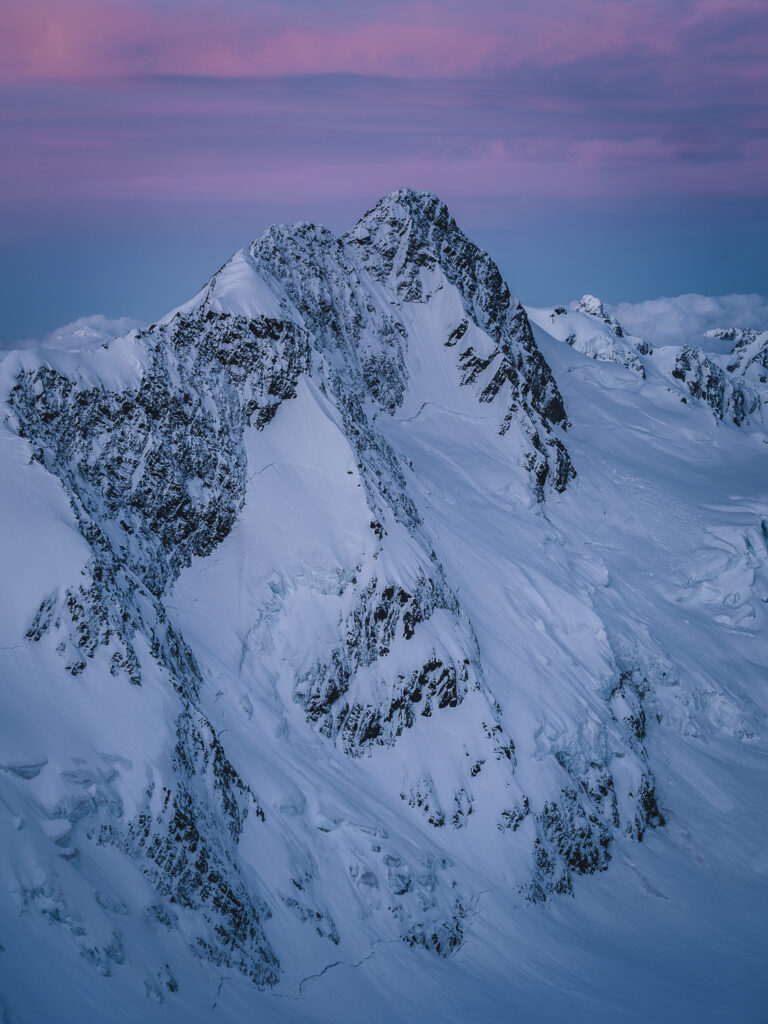
Magic Hour – Graceful Peak, Mt. Cook National Park, New Zealand

How to Make the Most of Magic Hour:

  • Soft, low-contrast lighting—perfect for landscapes
  • A color palette featuring cool blue tones with hints of pink and purple
  • Utilize clouds as natural reflectors to bounce light back onto your subject

Photo Tip: Look in the opposite direction of the sun for unique lighting effects. Adjust your shutter speed to avoid blur due to lower light levels.

Blue Hour: The Gateway to Night Photography

Blue Hour begins when the sun dips behind the horizon and Magic Hour ends. You’ll also find it in the early morning before Magic Hour and sunrise. This time is perfect for capturing soft, moody, and deeply atmospheric shots.

The light takes on a blue tint, creating a peaceful, twilight feel. Everything changes minute by minute, so stay ready to capture the magic blue.

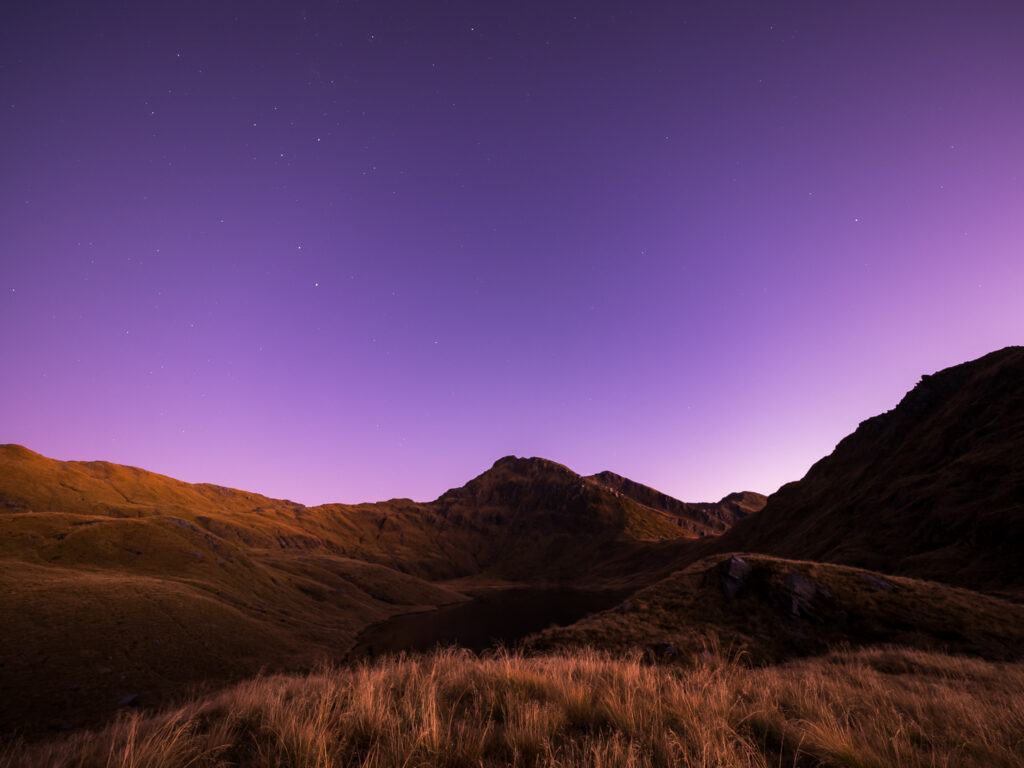
Blue Hour – Lake Greaney, Mt. Aspiring National Park, New Zealand

Best Uses for Blue Hour:

  • Dreamy, low-contrast lighting—stunning for landscapes
  • A color palette dominated by deep blue tones

Photo Tip: If you’re photographing a mountain or other main subject, take a shot during Blue Hour and later blend it with a separate image of the stars for a striking result.

Photo Tips for Capturing Golden, Magic, and Blue Hours

Use Apps to Plan Your Shoot – Apps like PhotoPills can help track the timing of Golden, Magic, and Blue Hours so you can be at the right place at the right time. Also, check the sunrise/sunset and weather in your location.

Arrive Early and Scout Your Location – Preparation pays off. Arriving early allows you to find the best composition and focus on the shot without stress.

Find a Strong Main Subject – A simple rock, leaf, or piece of ice can transform your composition and add depth to your image.

Master Your Camera Settings – Use Manual (M) or Aperture Priority (A) mode to fully capture natural light in your scene.

  • Low ISO: 100 or less
  • Aperture: F/8.0 or higher
  • Slower shutter speed (use a tripod if you want a blur effect)

Use Exposure Bracketing – Take multiple shots at different exposure levels (one underexposed, one properly exposed, and one overexposed). You can later blend these in post-processing for a well-balanced image.

Understand the Fundamentals of Photography – Knowing your camera’s settings and technical aspects is essential for making the most of these lighting conditions. Using the right resources can help you capture these magical hours effortlessly.

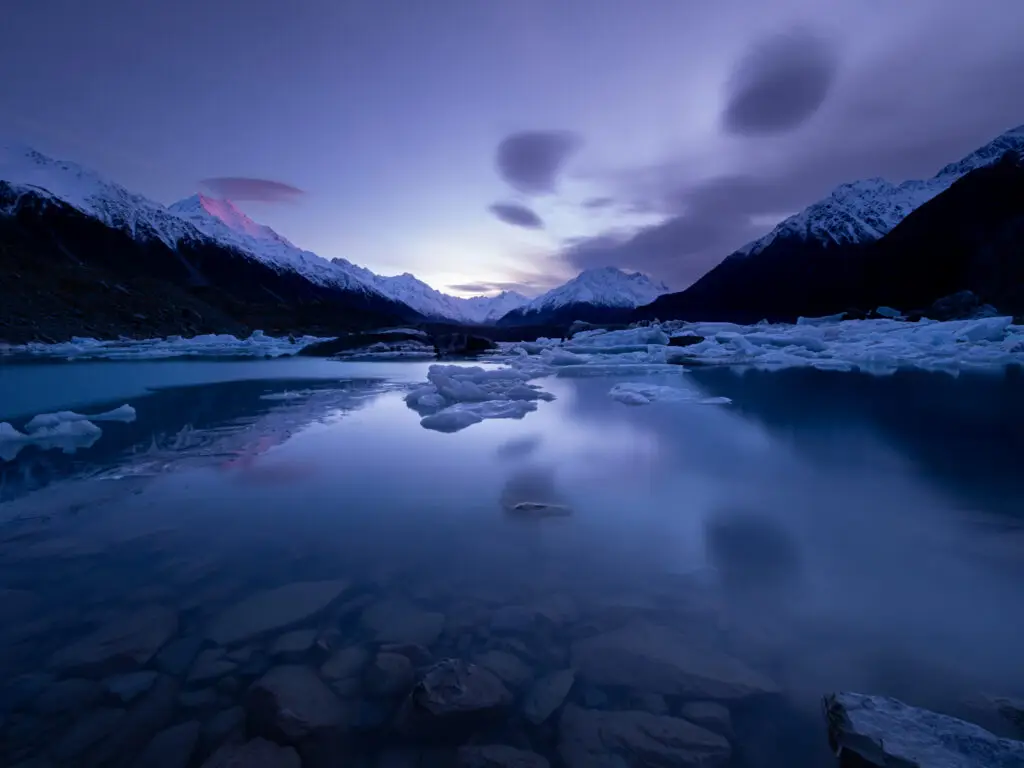
Magic Hour – Long exposure creates a smooth lake surface at Tasman Lake, Mount Cook National Park, New Zealand.

Elevate Your Photography Today

If you’re looking to improve your images, check out my free e-book: 4 Key Tips to Break Away from Ordinary to Extraordinary Photography.

Good luck hunting for your perfect photography hour—now get out there and capture the magic!