

Wander By Frame | Prochazka

Are you holding your camera, wondering where to take it for the first time or your next shoot? Choosing the right photography location can make all the difference in capturing stunning images. In this guide, we’ll explore why location matters, how to research in advance, and practical tips to find hidden gems. Whether you’re into landscape, adventure, or portrait photography, these insights will help you elevate your photography game!

Article Content

Why Location Matters in Photography

You’ve mastered the basics of photography, feel confident with your camera settings, and your histogram looks perfect. But when you review your shots, something still feels off. Sound familiar? The missing piece could be your location.

Selecting the right photography spot is just as important as your camera settings. A great location can add depth, mood, and storytelling elements to your images. By experimenting with different settings, angles, and perspectives, you can transform an ordinary scene into an extraordinary masterpiece. Check out my free eBook: 4 Key Tips to Break Away from Ordinary to Extraordinary Photography.

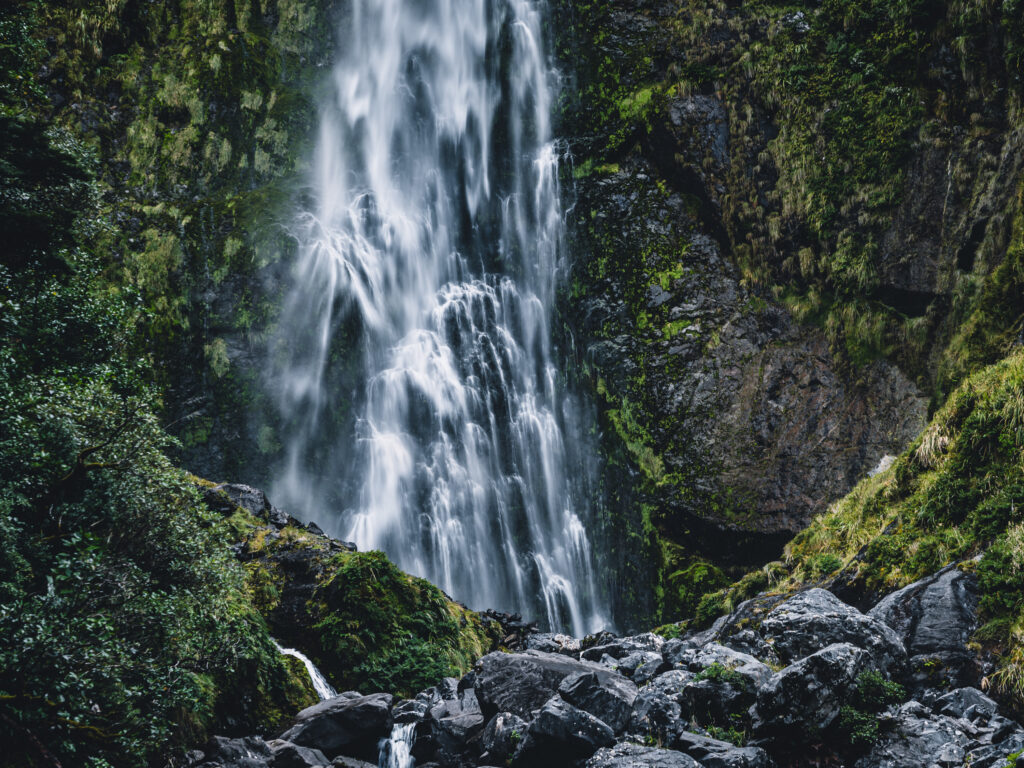
Devils Punchbowl Waterfall, Arthur’s Pass National Park, New Zealand. Mastering camera settings allowed me to use the long exposure technique, which gives this image a unique perspective of the waterfall. It shows how the water cascades down with a smooth, flowing effect.

What Makes a Great Photography Location?

For landscape and adventure photography, the location is a key element. Even in portrait photography, the background plays a crucial role in setting the tone. Here are some factors to consider:

✅  Strong main subject – Mountains, trees, rivers, or architectural elements can serve as focal points. Give the viewer something to focus on.

✅  Foreground interest (‘Anchor’) – If there’s no strong main subject, small objects like rocks, leaves, or ice can add dimension. This is especially important when using wide-angle lenses.

✅  Unique perspective – Even a simple location can be compelling when captured from a fresh angle. Try sitting down or positioning yourself between trees to create a natural frame effect in your image.

Adding a human element – This can change the perspective of the location, emphasizing how small we are compared to towering mountains. If you’re by yourself, try self-portrait photography.

✅ Applying Composition Rules – Leading lines, the rule of thirds, framing, symmetry, and other techniques help guide the viewer’s eye to the main subject. Good composition is one of the key elements of stunning images.

Experimenting with lenses – Each lens has unique abilities. There’s a big difference between using a wide-angle, mid-range, or telephoto lens. Try capturing the same location with different lenses—you might see it in a whole new way!

It might seem challenging to find new and exciting locations, but remember—each photographer has a unique vision. Slight changes in angle or composition can make a familiar spot feel brand new. That’s why research and scouting are essential.

Before and after example of choosing one subject

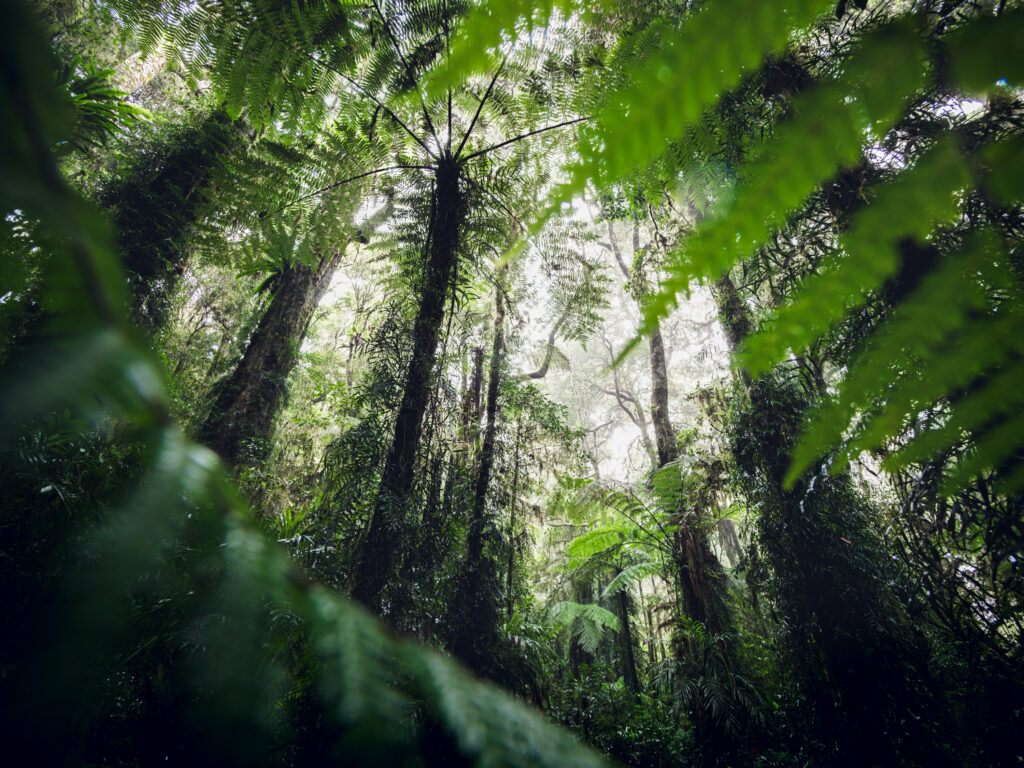
The fern leaves add depth to this image, naturally drawing the viewer’s eye toward the forest at the center. The framing technique enhances this effect. Imagine the photo without these leaves—it would feel flat and lack depth. Lamington National Park, Australia. 

How to Find the Best Photography Locations

Finding the perfect spot requires a little homework, but it’s worth the effort. Here are some methods to discover incredible locations:

1. Research Online

➜ Other Photographers’ Work – Many photographers share locations in their portfolios or on social media.

➜ Pinterest – A simple keyword search can reveal beautiful locations by country or theme.

➜ Google Search – Like Pinterest, but with more detailed search capabilities.

Travel Blogs – These often showcase hidden gems with valuable insights and tips.

➜ Instagram – A great tool for discovering new locations. Use the location in the search bar.

➜ Facebook Groups – Many groups focus on specific countries and provide location tips.

My Tip: I’ve discovered so many great spots just from browsing, and I’ve found it super helpful to save them all in one place—kind of like an online diary. I use Trello since it even works offline on my phone. Do you save your dream locations too?

My Trello board with locations I’ve found and saved for future adventures. I use this board like a vision board, believing that one day we’ll visit these places.

2. Scouting the Location

Once you’ve chosen a location, don’t rush to shoot immediately. Scouting helps you make the most of the spot. My process includes:

Arriving early before sunrise or sunset to find the best composition and capture the sun during the Magic, Golden, or Blue Hours.

➜ Exploring different angles and vantage points, sometimes by simply sitting down for a new perspective.

➜ Taking test shots to visualize potential compositions.

➜ Checking the sun’s position for optimal lighting.


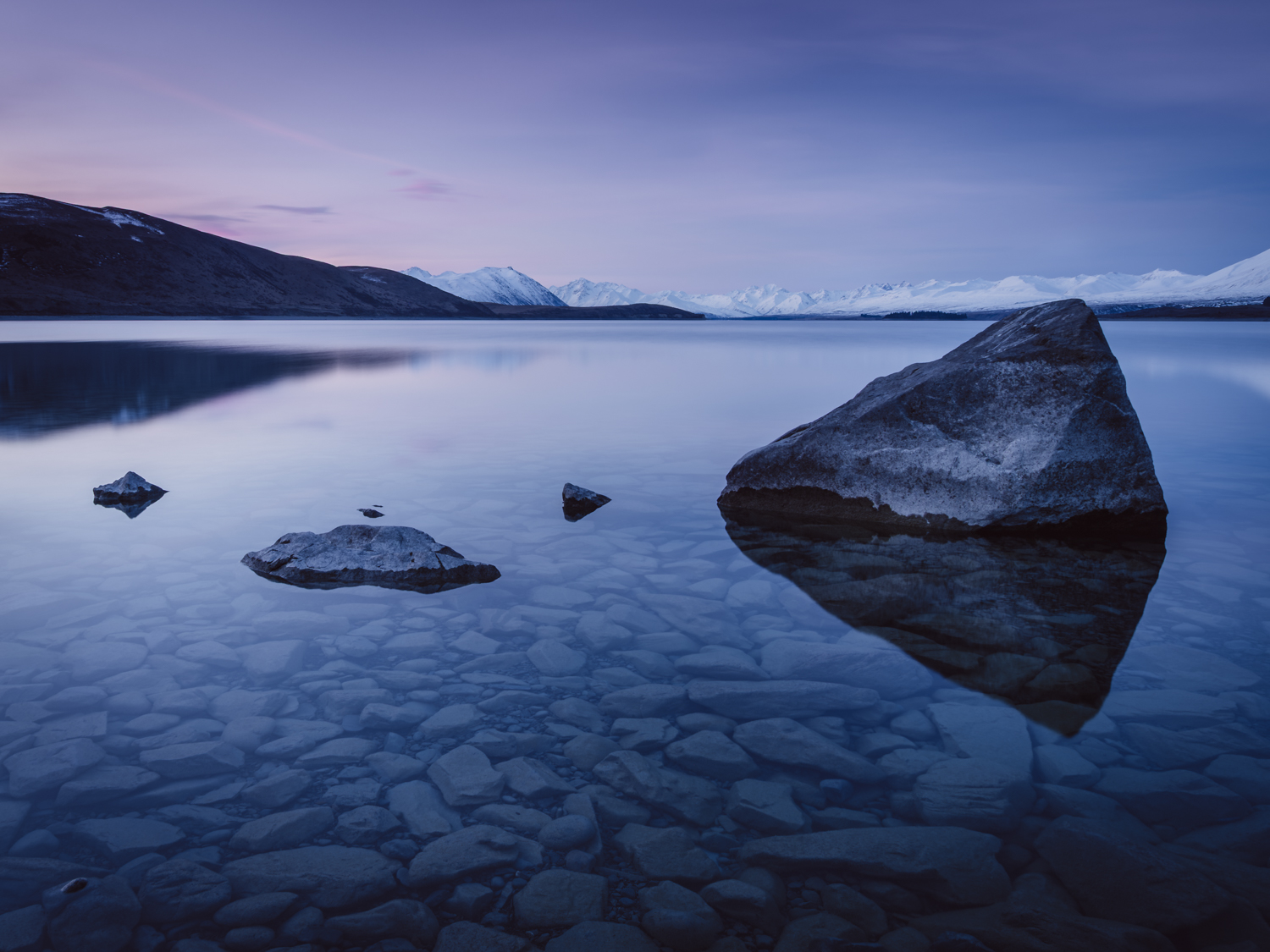
Lake Tekapo in New Zealand is one of the most famous photography locations. It’s impossible to capture it exactly like every other photographer, and that’s the beauty of it! Each photographer brings their own perspective to the scene, as natural light conditions vary depending on the time of day. The water in the lake can be as smooth as glass or have small waves, and all these factors change how the location appears.

📸 For adventure photography, scouting can sometimes be impossible because you’re capturing a new place in the moment, sometimes even without plans. However, you can research the location beforehand to get an idea of what to expect, including the sun’s direction. Google Maps (or different local maps) and the PhotoPills app can be great tools to help you.

📸 For landscape photography, scouting is especially crucial. While some adventure photography is spontaneous, having a rough idea of what you want to capture can make a big difference. You can always get inspiration and apply it to the moment. 

The human element gives the location a sense of scale. Additionally, the contrasting colors—green and red—create a great combination for the waterfall in Lamington National Park, Australia.

Discovering Hidden Gems

Hidden gems are lesser-known locations that offer breathtaking scenery without the crowds. Every country has them—you just need to dig deeper in your research. These spots often provide more unique and original photos compared to overly photographed landmarks.

There are also remote locations that require extra effort to reach, such as glaciers, off-trail hikes, or wilderness areas. These adventures can be rewarding but also dangerous, so always ensure you have the right gear, knowledge, and safety precautions.

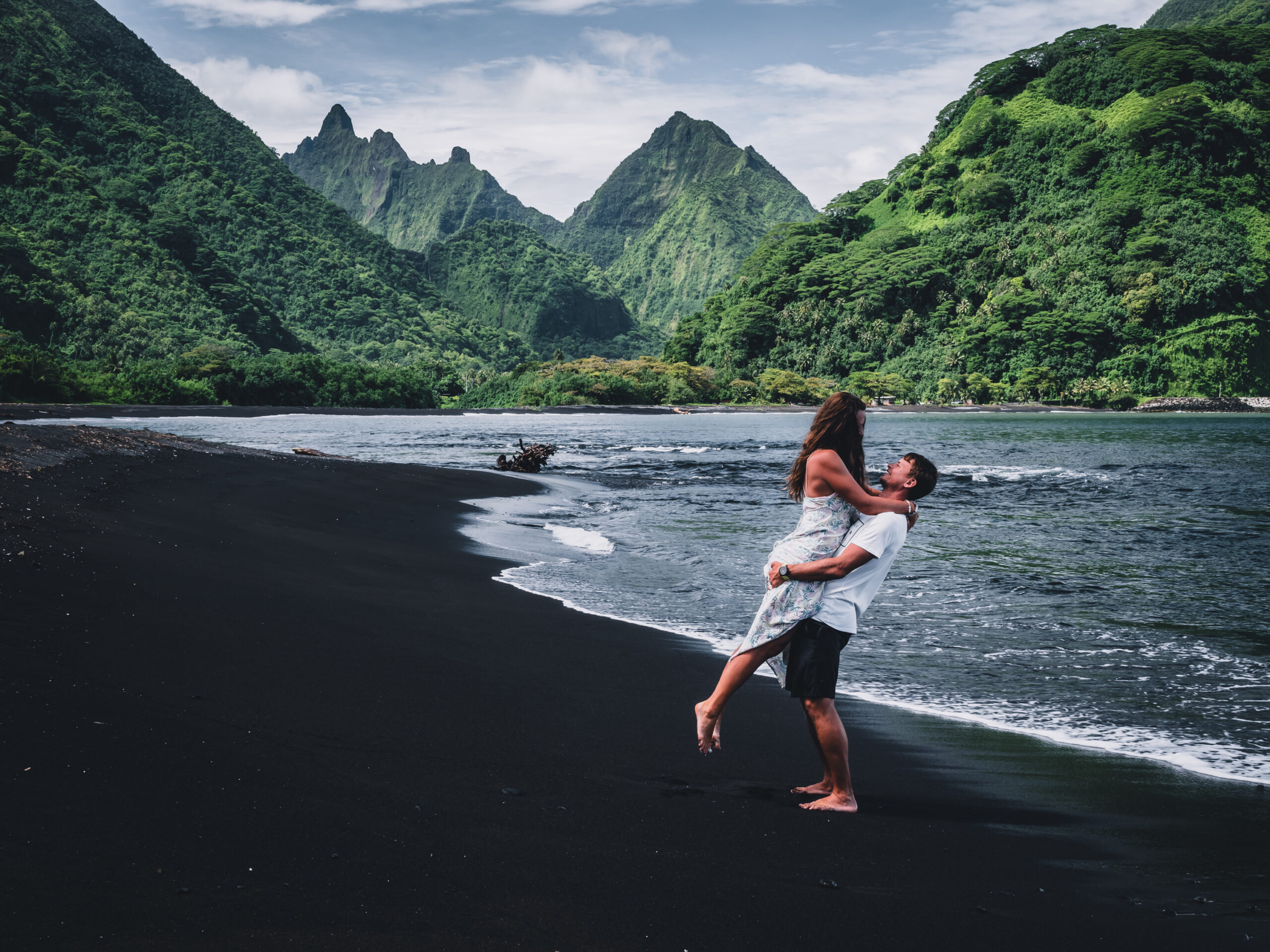
One of the hidden gem locations in French Polynesia (Tautira Bay, Tahiti Island) that I discovered while scrolling through Instagram hashtags like #Tahiti.

Camera Settings for Landscape Locations

For landscape photography, the main goal is to achieve a scene with a good depth of field (everything in focus). The best way to do this is by using Manual (M) or Aperture Priority (A) mode to fully capture the location.

  • Low ISO: 100 or less
  • Aperture: F/8.0 or higher
  • Slower shutter speed: 1/60s (use a tripod if the lighting conditions require an even slower shutter speed)
  • Watch the histogram edges—your goal is to capture a well-balanced image.

For landscape photography, wide-angle lenses are also ideal for capturing expansive scenes.

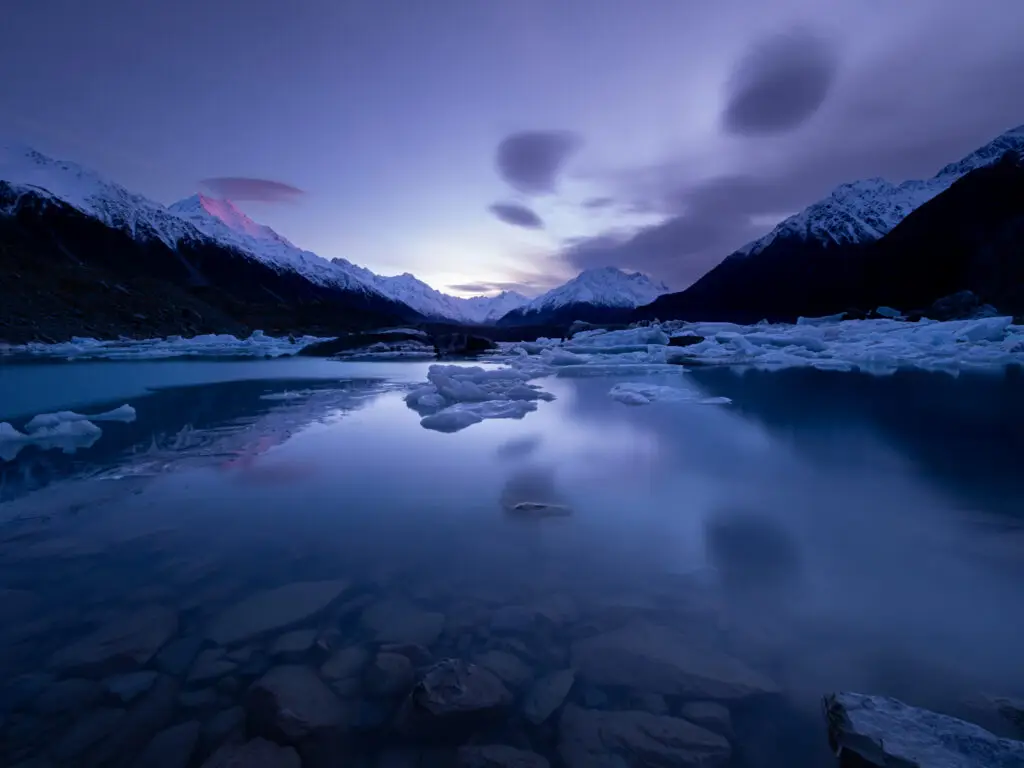
Sunrise over Tasman Lake with a view of Mt. Cook (the highest mountain) in New Zealand. Capturing this scenery required a wide-angle lens. The rocks at the bottom of the image create an anchor effect. 

Takeaways

Choosing the right photography location is a game-changer for capturing stunning images. By doing your research, scouting in advance, and thinking creatively about composition, you’ll see significant improvements in your photography. Don’t be afraid to explore new places, look for hidden gems, and experiment with different perspectives.

Transform your images with my free eBook: 4 Key Tips to Break Away from Ordinary to Extraordinary Photography.


Happy shooting!

Keep reading:

The Sun Is the Ultimate Artist: Mastering Natural Light in Photography

Packrafting 101: What It Is, How It Works, and Why It’s Your Next Adventure