

Wander By Frame | Prochazka

When I first started out, I was searching everywhere for photography tips for beginners. I felt excited, overwhelmed, and honestly… a little lost. I didn’t know where to begin, what to focus on, or how to actually improve my photography skills. Like many beginner photographers, I wasted time figuring out things on my own — watching random YouTube videos, second-guessing my photos, and comparing myself to professionals who’d been at it for years.

If that sounds familiar, you’re not alone. You know that feeling — “If I had only known this before, I never would’ve done that…” Yep, it’s pretty common in photography. Sure, we all learn from our own mistakes, but sometimes it’s nice to save a little bit of our precious time by learning from someone else’s.

So here it is — my biggest mistakes, honest lessons, and hard-earned wisdom from my photography journey. These insights could save you time, frustration, and help you grow with more confidence — whether you’re dreaming of becoming a full-time photographer or just want to take images you’re proud of.

Article Content

1. I would’ve Started Photography with a Good Photography Course for Beginners

The moment I got my camera, I should’ve invested in a course or guide from a photographer whose style I admired. I wasted way too much time piecing together random free YouTube videos and blog posts. It’s not just time-consuming — those free resources often leave out key information.

I wish I had found someone who shared my vision and invested in learning from them. The same goes for post-processing. Pick one or two solid resources, and focus. Don’t overwhelm yourself with too many courses or tutorials. One or two is enough.

2. I would’ve Learned to Use Natural Light in Photography

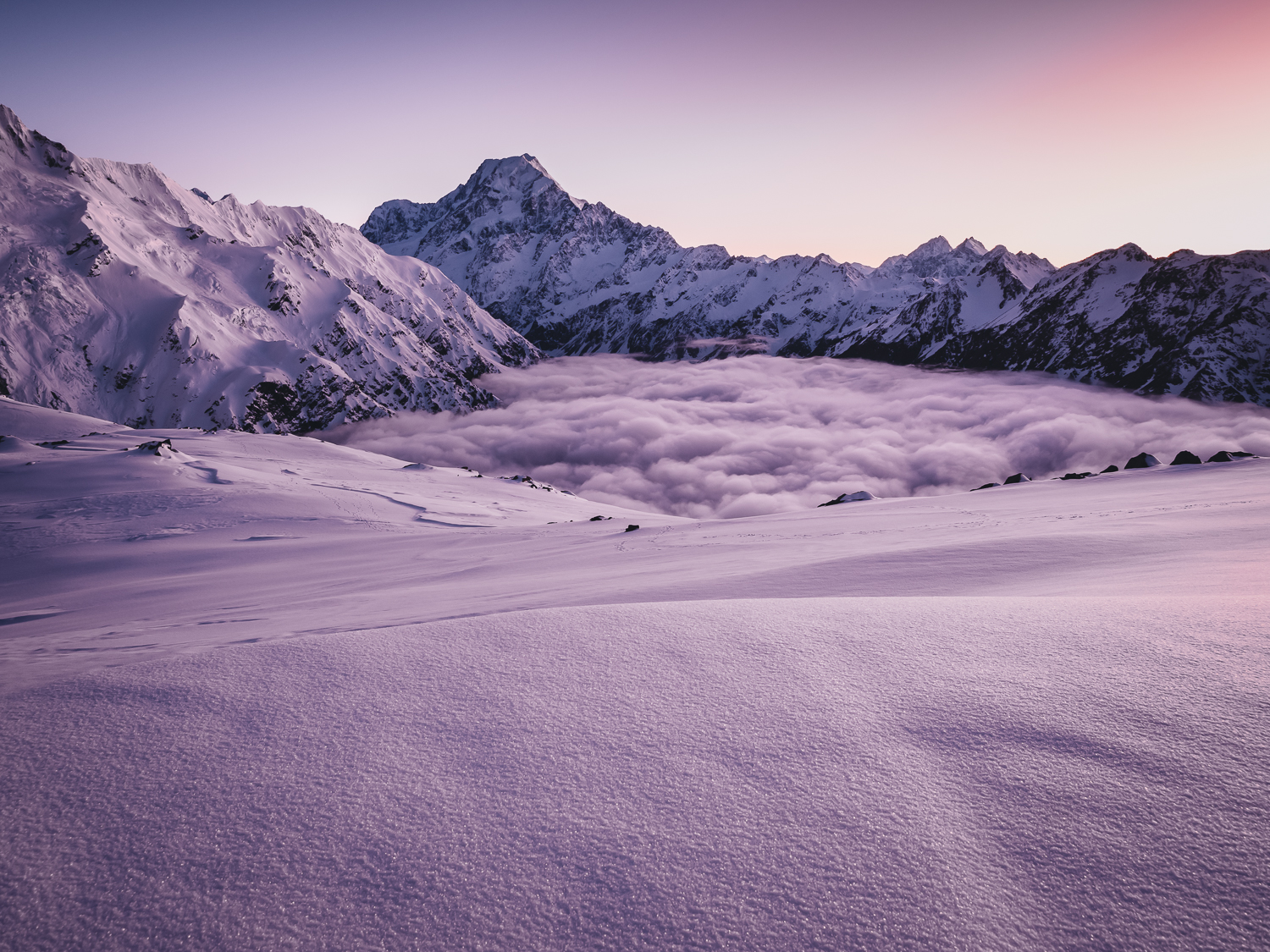
Especially the magical light around sunrise and sunset — golden, magical and blue hours. This kind of natural light adds mood and atmosphere to your images. Get up early, stay out late, and chase that light. It’s always worth it.

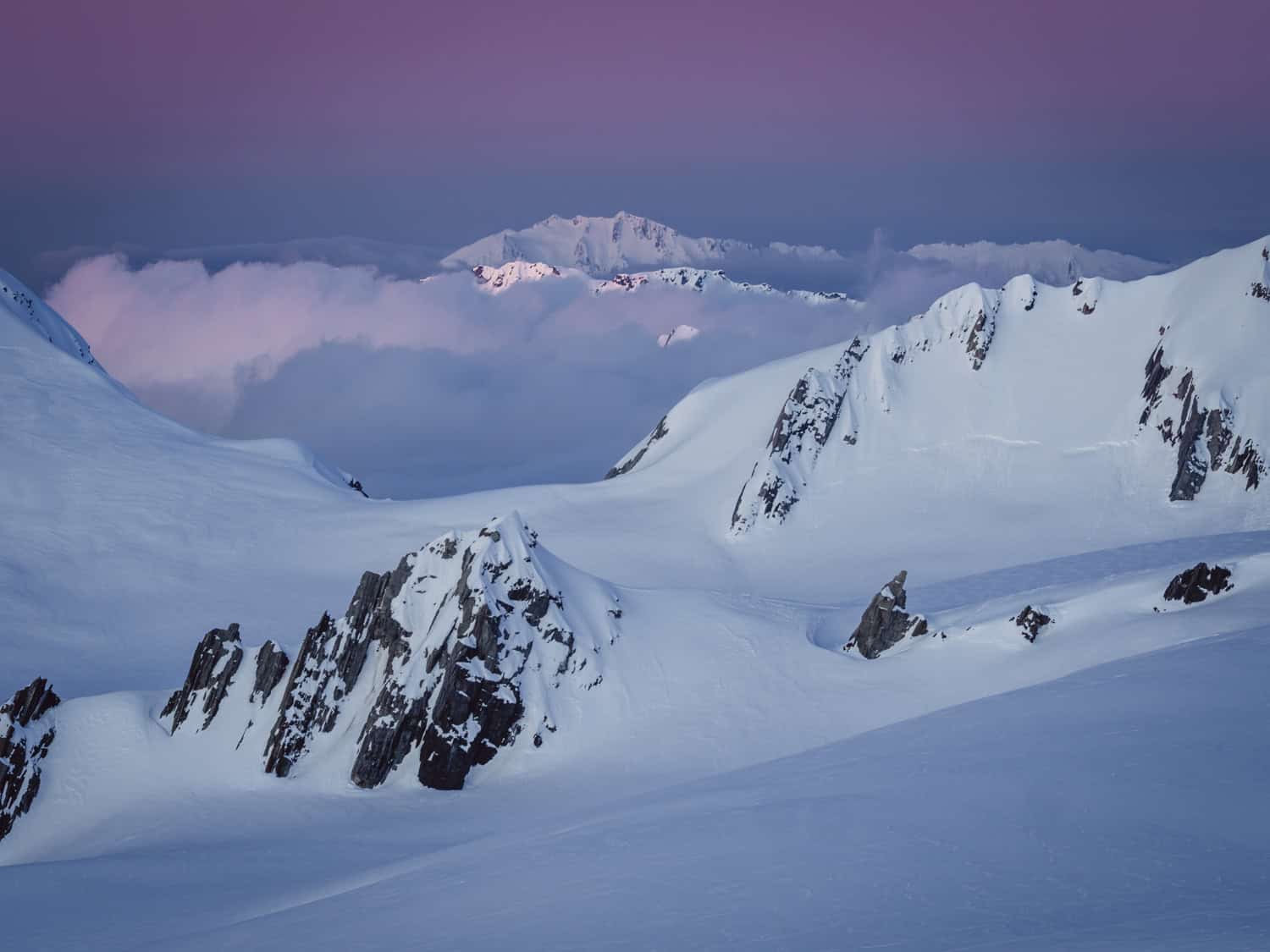
Magic hour light over Fox Glacier, South Island, New Zealand — captured from Centinel Hut after five off-grid days. Natural light is key to stunning images.

💡 My tip: When you’re outside, notice the sun — where it is, what type of light it gives, whether it’s soft or harsh. Look at the shadows. Pay attention from the start. You’ll quickly become obsessed with understanding light — and it will transform your images.

3. I would’ve stepped out of my comfort zone more often

Trying new things — waking up early, staying out in the cold or rain, waiting longer for the right moment — those uncomfortable situations created some of my best images and memories. Just remember to stay safe and know your limits. Growth comes from pushing boundaries, not risking your well-being.

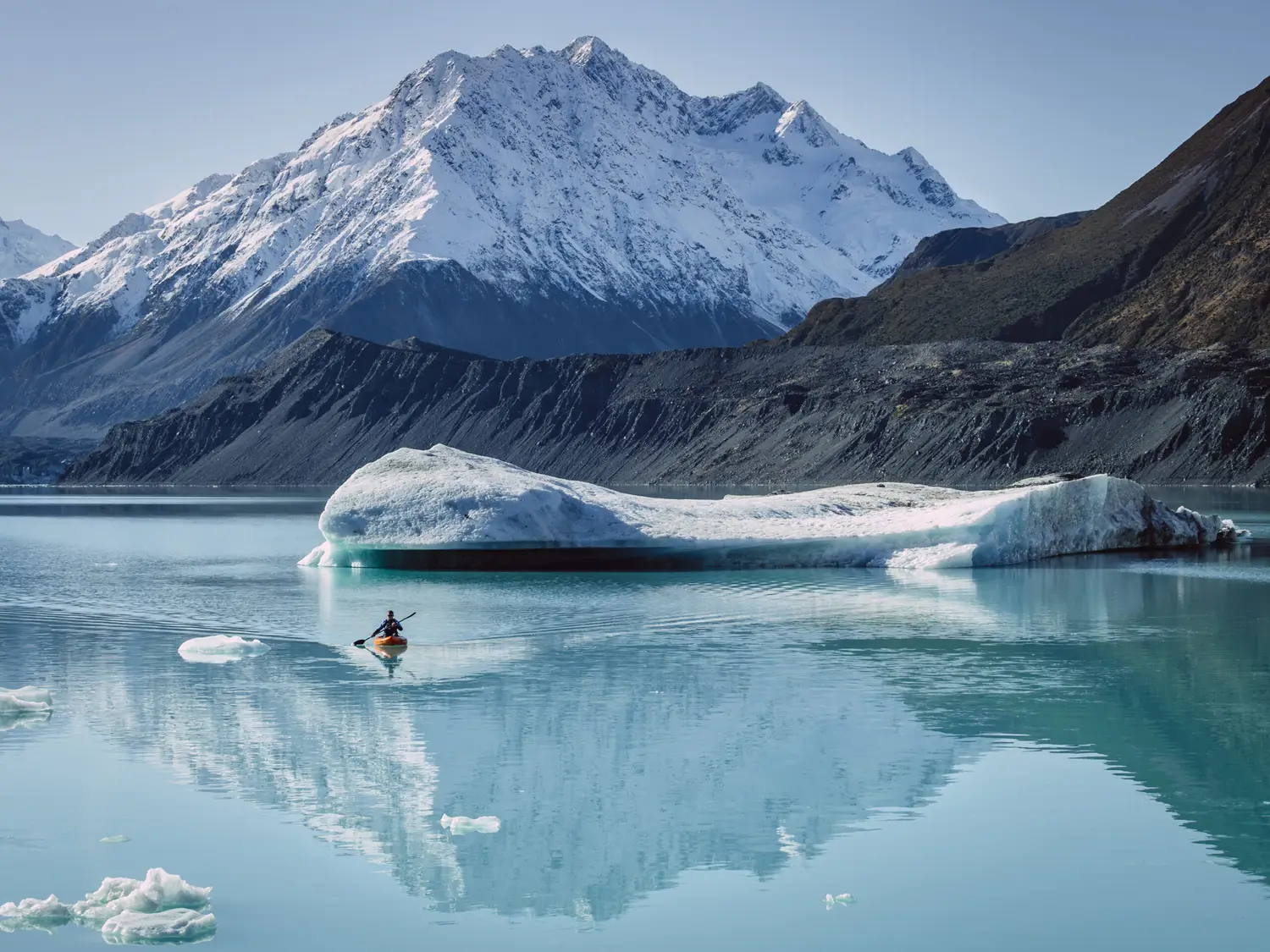
My husband Kuba paddling on Tasman Lake, South Island, New Zealand. Hidden icebergs made it risky, but he knew what he was doing. Stepping out of your comfort zone creates the adventures you’ll never forget.

My husband Kuba and I once spent five days in a hut on a glacier during a storm — no heat, barely any food, and just snacks for dinner. We crossed freezing rivers, clung to each other so we wouldn’t fall in. But those are the stories we’ll never forget — and the images I’m most proud of.

Just take one extra step, and you’ll find different angles and stories waiting to be captured. Pushing yourself outside your comfort zone doesn’t just mean wild adventures — sometimes, it’s simply about slowing down and staying longer in one place.

4. I would’ve stayed longer to Get Unique Images at Popular Locations

Even at popular locations, spending more time — even a full week — helps you discover your own unique perspective. Watch the light change, try new angles, and study other photographers’ work for inspiration. Then capture it your way.

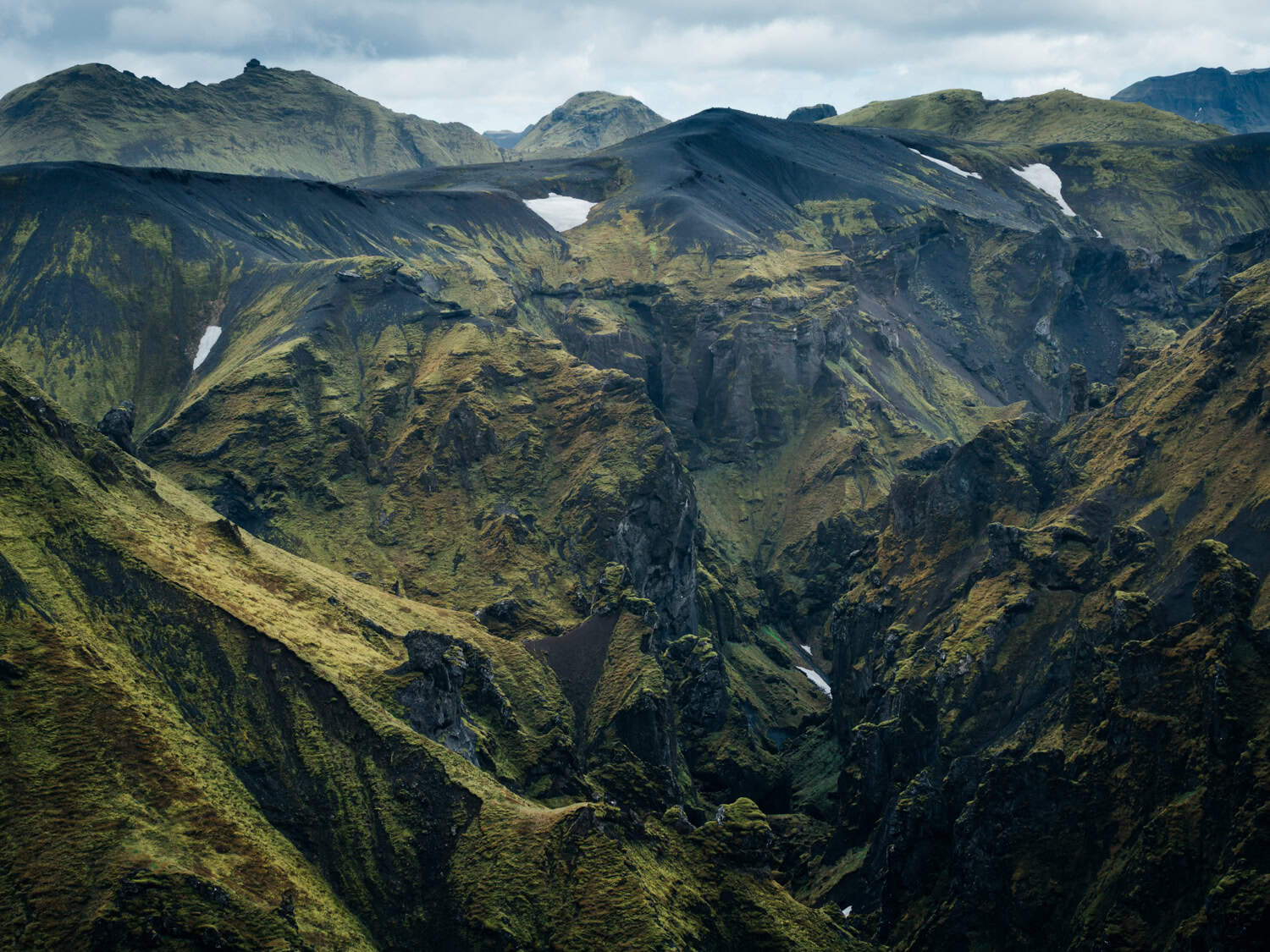
Moody scene in Þakgil , South Iceland. As a beginner photographer, I wanted to capture everything, but I’ve learned it’s better to slow down, focus on one place, and work with natural light.

I made this mistake when I was solo traveling through Iceland. I wanted to see and shoot everything — major FOMO kicked in. Looking back, I wish I’d focused on one area, slowed down, and really soaked in the moment. And those small moments don’t end when you put your camera down — they continue when you’re back home, editing and bringing your images to life.

5. I would focus on Post-Processing which Is Essential in Photography

I used to let my images sit untouched for weeks because I didn’t know where to begin. I was intimidated by editing because I didn’t know my style and didn’t know where to start. But post-processing is part of digital photography — especially if you’re shooting in RAW. Think of it as your digital darkroom.

As a beginner photographer, I avoided post-processing, but I’ve learned it’s a powerful tool. Now I love revisiting those unrepeatable moments through editing.

💡 My tip: Nail your image in the field, and you’ll need less editing later. That starts with understanding your camera and using manual or semi-manual modes — this opens up a whole new world in your photography.

6. I wouldn’t be afraid to Direct People in Adventure Photography

Speaking of things I avoided for too long — another big one was directing people during shoots. When you’re doing adventure photography with people, communication is everything. I used to struggle with telling people what I needed from them. But no one can read your mind! It’s okay to kindly direct them — where to stand, how to pose, when to wait — so your vision comes to life.

In portrait and adventure photography, communication is key. Talking to your models/friends helps bring your vision to life — they want to help, they just need guidance. My husband enjoying his jump at Teton Pass, Wyoming, USA.

7. I wouldn’t Stop Comparing My Photography to Professionals

It’s inspiring to follow professionals, but comparing your beginner photos to their polished work is a fast path to discouragement. They’ve spent years developing their style and skills. You might only be a few weeks or months in — and that’s okay!

I expected amazing results from the start, which only led to disappointment. But photography takes time, patience, and a lot of trial and error. Be kind to yourself — everyone starts somewhere.

Mt Cook, the highest peak in New Zealand, captured just before sunrise in soft, moody light — a perfect moment for landscape photography.

8. I Would’ve Use Manual Mode to Improve Your Photography

Skip Auto Mode if you really want to understand your camera. Learn how ISO, shutter speed, and aperture work together. Yes, the technical stuff might seem overwhelming at first — but it’s the foundation of capturing images the way you envision them.

If full manual mode feels like too much, start with a semi-manual mode like Aperture or Shutter Priority. Work your way up. Once you feel more in control, don’t wait to start sharing your work — even if it’s not perfect yet.

9. I Would’ve Share My Images Even If They’re Not Perfect

For the longest time, I was scared of criticism. I kept waiting until my photos were “good enough.” But guess what? They still aren’t perfect — and they don’t need to be.

Share your work anyway. Not for likes or praise, but because you love what you’re creating. Stop worrying about what other people think. This is your journey. Your passion. Don’t let fear, criticism, or comparison stand between you and your dream. Start calling yourself a photographer now. Own it. The title isn’t something you earn later — it’s something you step into.

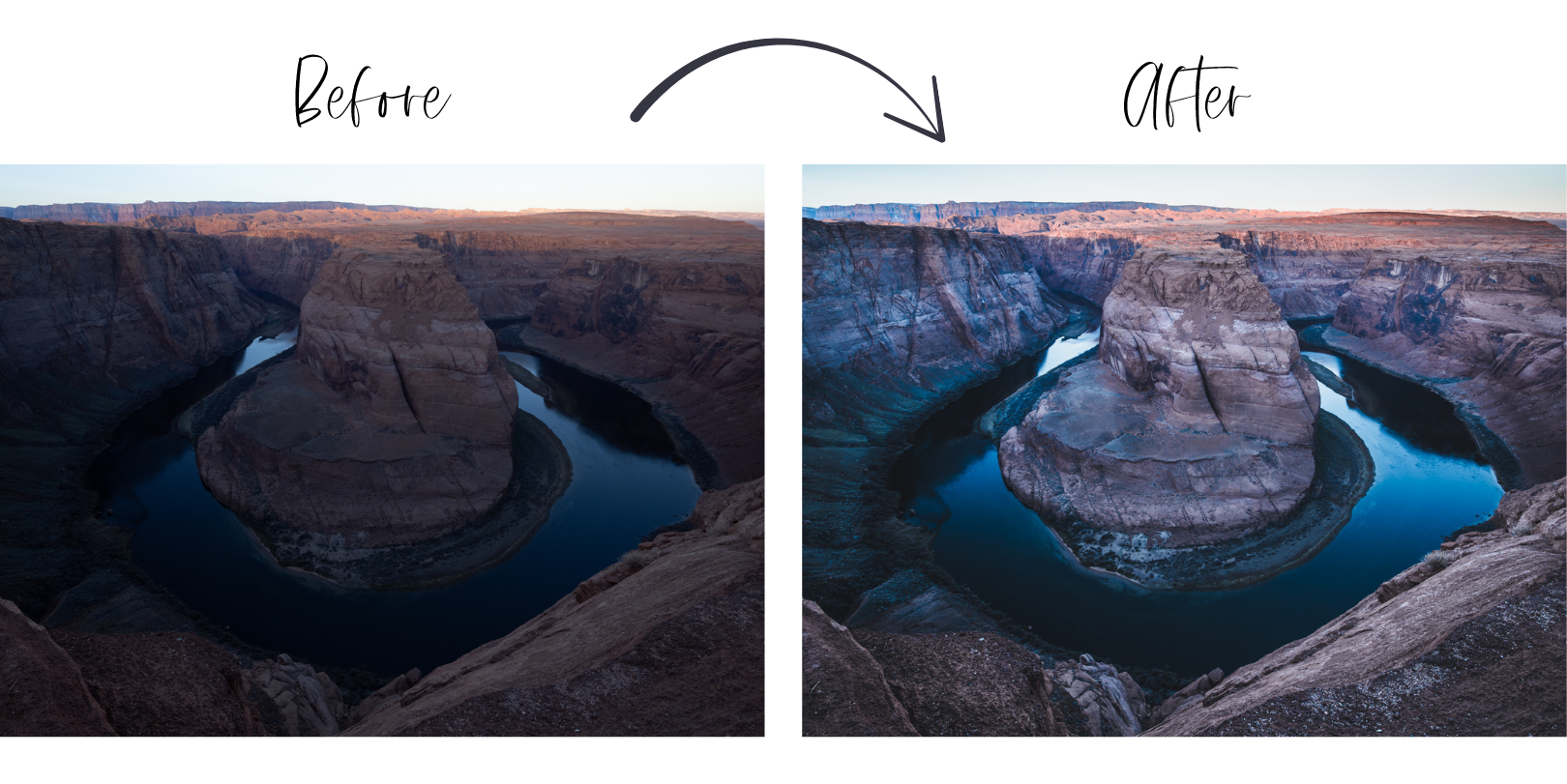
Before and after example of choosing one subject

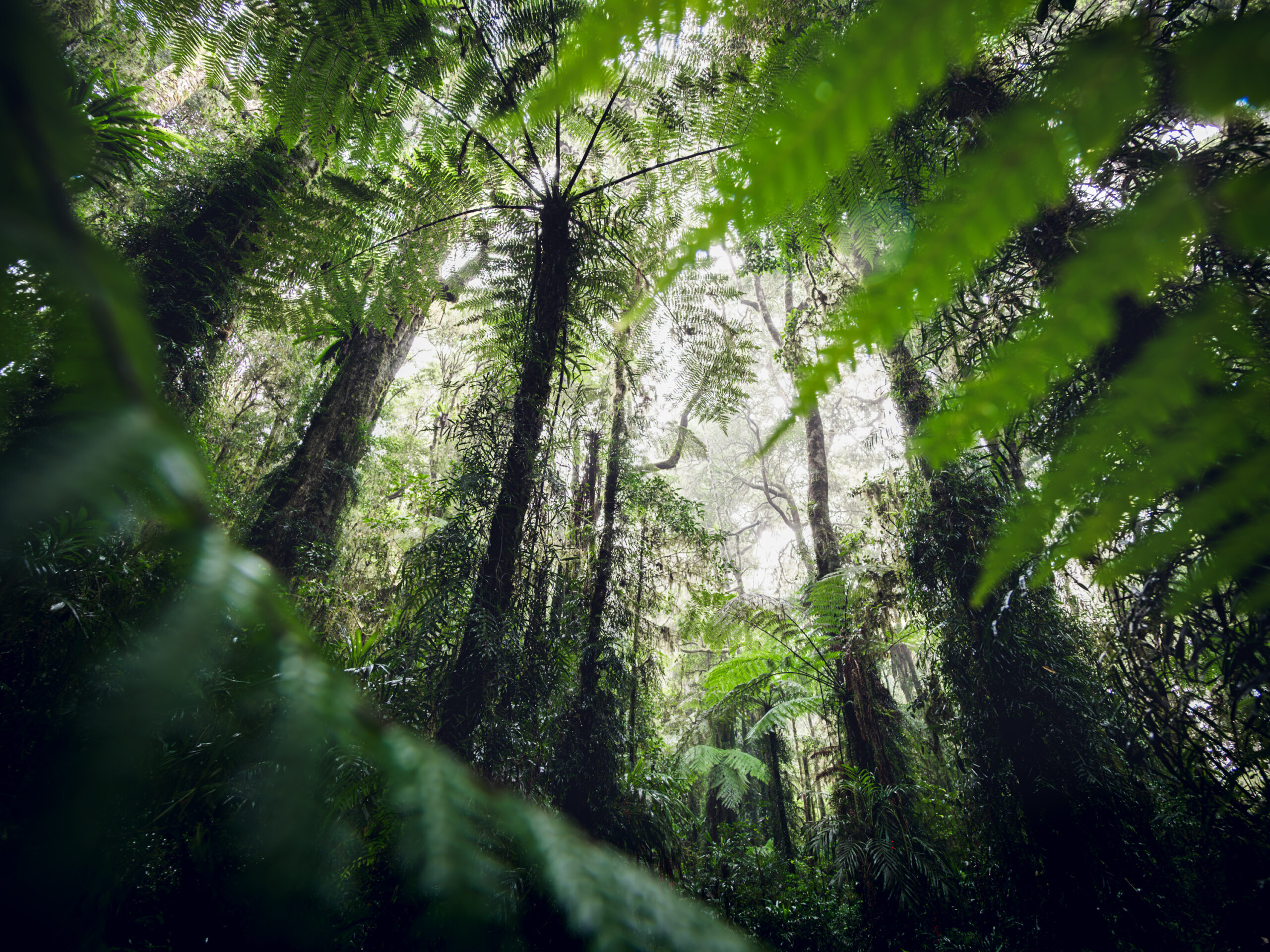
Embrace your style and niche in photography. If you love it, don’t worry if others do too — it’s your unique perspective that matters. Lamington National Park, Australia. 

FAQ - Frequently Asked Questions

When you’re starting out in photography, the learning curve can feel steep — and confusing. I know how overwhelming it is to have so many questions and not know where to begin. “Where to start as a beginner photographer?” “Should I still be using Auto mode?” “Is editing really that important?” Yep — I’ve asked all of those, too.

This FAQ is here to simplify things. These are the exact questions I had as a beginner — and the ones I now hear all the time from others just starting their photography journey. Especially those who feel like they’re starting too late — you’re not! My goal? To give you clear, encouraging answers so you can skip the overwhelm and start creating with more confidence and joy.

Let’s make photography feel exciting again — not intimidating.

What’s the best way to start learning photography as a beginner?

Start with a beginner-friendly course from a photographer whose style you admire. Avoid relying solely on free content — it’s often scattered and missing key information. You’ll save a lot of time and frustration. Remember, the best investment is in yourself!

When should I stop using Auto mode?

As soon as you’re ready to take more creative control of your camera. You don’t have to jump straight into full manual mode — start with semi-manual modes like Aperture Priority or Shutter Priority. These will help you build confidence and understand the fundamentals of photography.

Is post-processing necessary for beginner photographers?

Absolutely! If you’re shooting in RAW, editing is essential. Think of it as your digital darkroom — it’s a creative step, not just a technical one. You don’t have to begin with complicated programs like Photoshop. Start with beginner-friendly tools like Lightroom. Play with color, discover your style, and remember: keep your whites looking like white!

What if I don’t know my editing style yet?

That’s totally normal! Experiment in Lightroom or other apps and notice what you’re naturally drawn to. Start with basic adjustments like exposure, contrast, and white balance. Editing is a key part of digital photography, and starting early will make it easier later on. Plus, it’s a great way to reflect on your work — you’ll begin to understand how natural light affects your shadows and highlights.

How do I stop feeling overwhelmed when learning photography?

Start small and take it one step at a time. Don’t try to “eat the whole elephant in one day” — save something for later! Focus on learning one thing at a time, like how light works or how to shoot in Aperture Priority. Avoid bouncing between too many tutorials. Choose one or two solid resources and stick with them. And don’t forget — have fun with it!

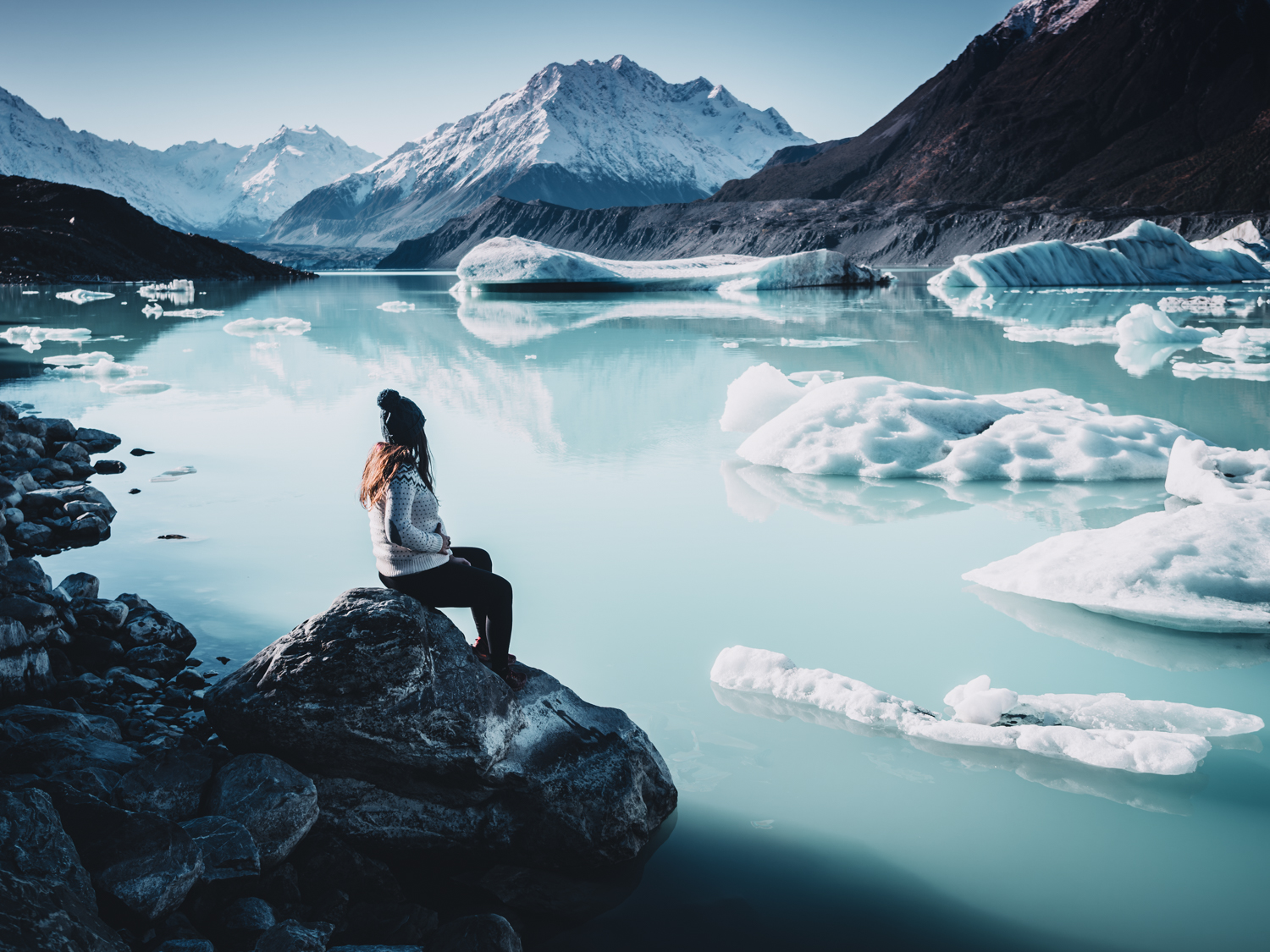
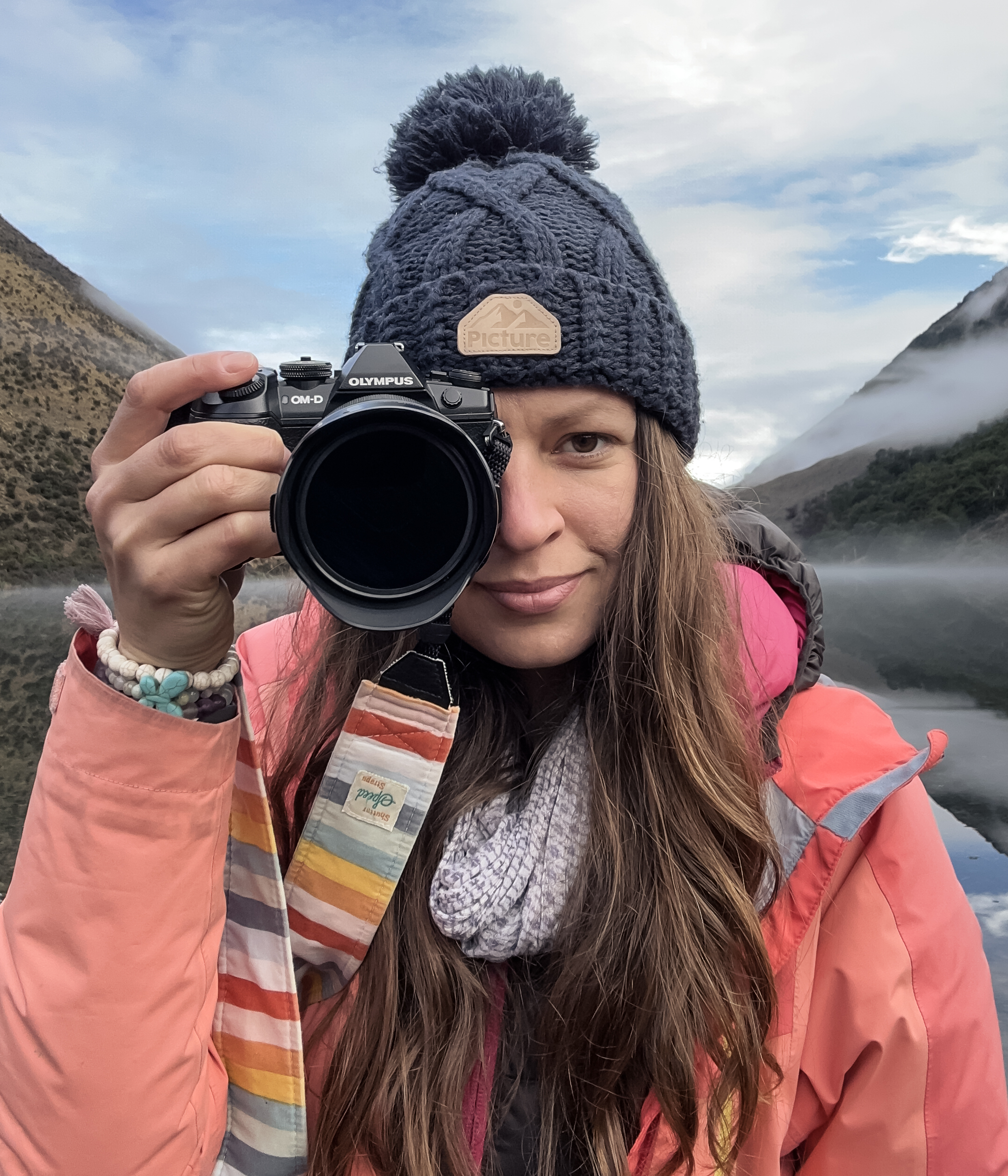
Self-portrait at the edge of Tasman Lake Glacier, New Zealand — a reminder to slow down, enjoy the moment, and take your photography one image at a time.

Final encouragement for your photography journey

You’re not too late. You’re not too old. You’re not behind. You’re right on time. Let’s make your photography dream happen — one image at a time.

If you’d like to see what my teaching style is like, grab my free eBook: 4 Keys to Break Away from Ordinary to Extraordinary Photography. It’s full of my practical tips, no fluff, and you’ll see right away if my way of teaching clicks with you. No pressure — just a free resource to help you along your journey.

Now, get out and shoot!

Keep reading: